What Physical AI is
What Physical AI is
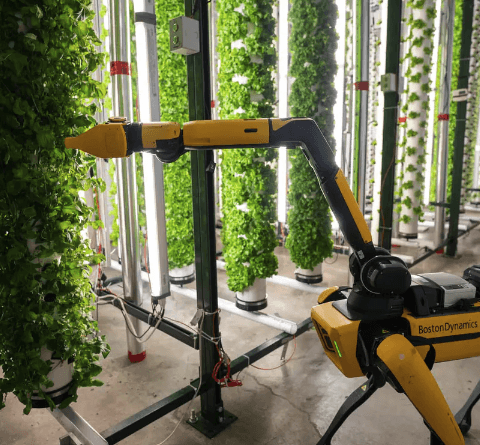
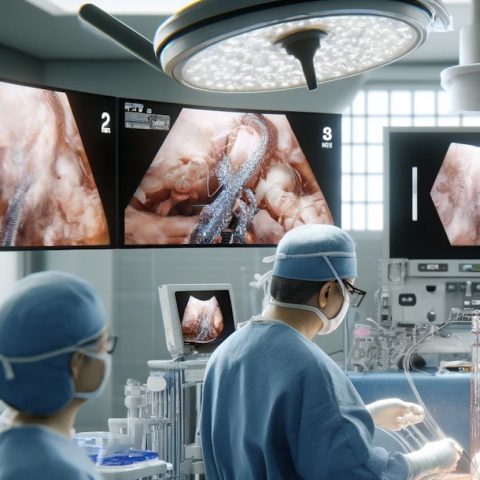
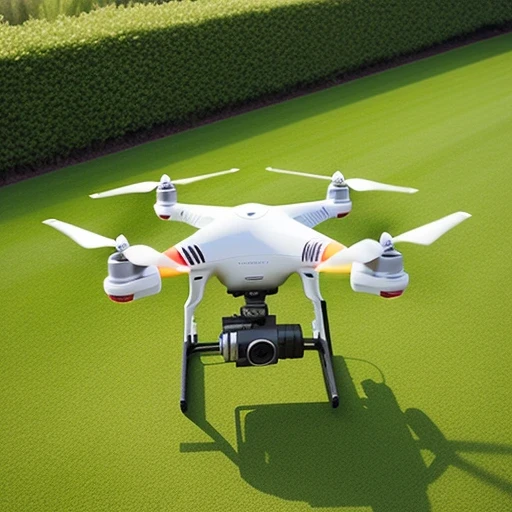
Physical AI enables machines to perceive and interact with the real world
It learns how physical objects and mechanisms function
Combines vision, motion, and 3D understanding
Empowers robots, digital twins, and automation systems to plan, predict, and act safely

DISCOVER
Unique challenges of Physical AI and why training data is important
Physical AI systems are difficult to scale because real-world trial and error is costly and unsafe. When a system fails in the physical world, it can break equipment, interrupt operations, or put people at risk. To build reliable models and accurate simulations, we need large amounts of high-quality, diverse training data.
The challenge: the physical world contains countless edge cases.
Today, industries face several major obstacles:
Tracking people and vehicles remains brittle in rain, fog, glare, and partial occlusion because most data lacks amodal shape, stable identities, and uncertainty information.
Cables, hoses, cloth, and bags are difficult for robots because there’s almost no data capturing how deformable materials change shape, fold, or make contact over time.
Predicting human motion around robots is unreliable because datasets usually miss intent cues like micro-movements, gaze proxies, and social spacing.
Let us help you bridge that gap !